


-

Add: HeBei ShengShi HongBang Cellulose Technology CO.,LTD.
-

Email
13180486930@163.com -

CONTACT US
+86 13180486930

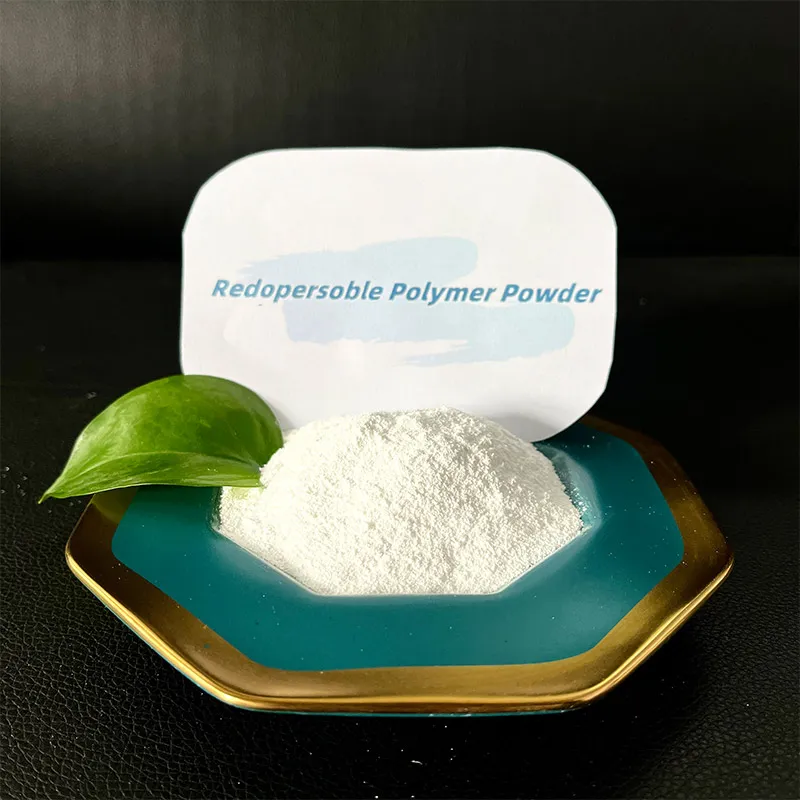


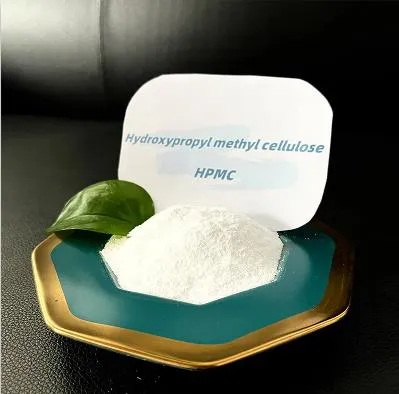
Hydroxypropyl methylcellulose (HPMC), also known as hypromellose, is a versatile compound used in various industries due to its valuable properties. With a unique blend of stabilizing, thickening, and film-forming abilities, it stands out especially in the pharmaceutical, food, and construction sectors. Understanding its features, applications, and benefits can offer a deeper insight into why HPMC is a crucial component in many formulations today. One of the distinguishing qualities of HPMC is its origin. Derived from cellulose, a natural polymer, it combines nature's reliability with chemical innovation. Through a process of etherification, cellulose undergoes transformation, enhancing its solubility and thermal stability—key factors contributing to its widespread usage. Because it is non-toxic, biodegradable, and shows excellent compatibility with a wide range of substances, it is esteemed for its safety profile, ensuring trust and reliability in its applications. In the pharmaceutical realm, HPMC plays a pivotal role as an excipient. It is commonly used as a binder in tablets, where it helps in sustaining the release of active ingredients, making medications more effective over longer periods. Its use in ophthalmic solutions is another notable example, where HPMC acts as a lubricant, providing relief from dry eyes. This versatility demonstrates its therapeutic potential, enhancing the efficiency and efficacy of pharmaceutical preparations. The food industry also capitalizes on the remarkable characteristics of HPMC. It acts as a thickener, stabilizer, and emulsifier in various food products, from sauces and dressings to baked goods and dairy items. Its ability to maintain moisture and improve texture without altering the taste makes it invaluable, contributing both to product consistency and consumer satisfaction. what is hydroxypropyl methyl cellulose Further endorsing its multi-industry prevalence is HPMC's role in construction. Here, it is integral to the formulation of many modern building materials. Used in cement renders, gypsum products, and tile adhesives, HPMC improves workability and adhesion while reducing water retention. These properties enhance the durability and longevity of construction applications, confirming its importance in structural integrity. Moreover, the resilience of HPMC in varying temperatures—retaining its properties from freezing to boiling points—adds to its adaptability and reliability in different environmental conditions. As global standards call for more environmentally friendly and efficient materials, HPMC aligns perfectly with these needs. As a biodegradable substance, it provides an environmentally conscious option for companies seeking sustainable solutions, further cementing its status as a preferred choice in manufacturing. In conclusion, hydroxypropyl methylcellulose is more than a mere chemical entity; it embodies the intersection of safety , efficacy, and functionality. Whether utilized in pharmaceuticals, food products, or construction, HPMC stands as a testament to innovation in material science. Its integration into various sectors underscores its necessity and versatility, making it an irreplaceable ingredient in modern industry applications. As industries continue to evolve, the reliance on materials like HPMC that deliver consistent quality while adhering to safety and environmental protocols will undoubtedly increase, paving the way for future advancements.
- 40000tons

Production
- 20+years

Experience
- 5000+㎡

Acreage

-
Retained Hydroxypropyl Methylcellulose (HPMC) has long been a cornerstone in various industrial and pharmaceutical applications, offering versatile properties that enhance product formulations, consistency, and performance. The recent discontinuation of certain retained HPMC products has sparked concern and curiosity among businesses and consumers who relied on its unique benefits. This article delves into the implications of this discontinuation, offers alternatives, and discusses the broader impact on industries that heavily utilized these products. Retained HPMC is renowned for its exceptional ability to control moisture, serve as a thickening agent, and sustain the stability of emulsions and suspensions. Its non-toxic, inert properties have made it a popular choice in the pharmaceutical industry for coating tablets, controlling drug release , and even in topical formulations. The construction sector also values HPMC for enhancing the workability of mortar and cement products, reducing water retention, and promoting adhesive properties. The discontinuation of retained HPMC products can be attributed to several factors, including shifts in market demand, advancements in technology, and changes in regulatory standards. For instance, increasing scrutiny over synthetic additives and a growing push for more sustainable, biodegradable alternatives have influenced manufacturers to reconsider their product lines. Furthermore, innovations in biopolymers and natural thickeners are providing effective substitutes that align with contemporary consumer preferences for eco-friendly ingredients. Businesses reliant on retained HPMC must now explore alternative solutions that can offer comparable performance characteristics. One promising substitute is cellulose ethers derived from natural sources, which maintain the desirable properties of HPMC while addressing environmental concerns. These alternatives minimize ecological impact and align with the industry's movement towards more sustainable practices. Moreover, professionals working in R&D departments are tasked with reformulating products to adapt to the absence of retained HPMC. This presents an opportunity for embracing innovation, as new formulations can potentially outperform traditional ones not just in terms of efficacy, but also in meeting regulatory standards and consumer expectations. Collaborative efforts across industries may foster the rapid development and acceptance of suitable replacements, thereby maintaining product integrity and customer satisfaction. retaine hpmc discontinued For industries such as pharmaceuticals and construction, the transition away from retained HPMC products necessitates thorough testing and validation processes to ensure the quality and safety of new formulations. This requires increased investment in R&D and robust collaboration with suppliers who can provide consistent, high-quality alternative ingredients. The discontinuation also highlights the importance of future-proofing product development to anticipate market shifts and regulatory changes. Companies that invest in adaptable, innovative solutions position themselves advantageously to navigate potential disruptors, ensuring long-term resilience and competitiveness. Engaging with regulatory bodies, industry groups, and consumer feedback can offer valuable insights and guide the development of high-performing alternatives. While the phase-out of retained HPMC products may pose challenges, it also paves the way for forward-thinking companies to lead the charge in sustainable innovation. By embracing this change, industries can not only sustain their operations but also contribute to broader environmental goals and enhance their reputation as conscientious, responsible market players. In conclusion, the discontinuation of retained HPMC products necessitates a strategic pivot towards sustainable alternatives. Through embracing innovation, rigorous testing, and cross-industry collaboration, companies can effectively navigate this transition. This approach ensures that businesses remain competitive and responsive to evolving market demands and regulatory landscapes, all while contributing positively to environmental sustainability.
-
In the world of pharmaceuticals and nutraceuticals, excipients play an essential role in the formulation of drugs, enhancing both their stability and efficacy. Among these, Hydroxypropyl Methylcellulose (HPMC) stands out for its versatile properties and broad range of applications. This article delves into the distinctive characteristics, production processes, and essential benefits of HPMC as an excipient, providing invaluable insights for manufacturers and formulators who aim to leverage its unique attributes for product development. Hydroxypropyl Methylcellulose is a semi-synthetic, inert, and viscoelastic polymer, derived from cellulose. It is renowned for its exceptional ability to modify the viscosity of solutions and its role as a stabilizer, thickener, and film former. These properties make HPMC a preferred choice in the pharmaceutical industry, where it is employed not only in tablet production but also in controlled-release formulations, ophthalmic preparations, and topical agents. The production of HPMC involves the treatment of cellulose with sodium hydroxide followed by a treatment with methyl chloride and propylene oxide. This process yields a complex and adaptable product that can be tailored to meet the specific demands of various drugs, enhancing their performance in ways few other excipients can. The critical control over the degree of substitution and the molecular weight distribution allows manufacturers to customize the viscosity and gel temperature, thus optimizing the stability and release profiles of pharmaceutical formulations. What sets Hydroxypropyl Methylcellulose apart is its role in controlled release mechanisms . As an integral component of hydrophilic matrix systems, HPMC controls the release rate of active pharmaceutical ingredients through a sophisticated erosion and diffusion process. When in contact with bodily fluids, it hydrates rapidly to form a gel layer that regulates drug diffusion and subsequent dissolution. This unique characteristic is particularly advantageous for sustained and controlled-release tablets, providing a predictable pharmacokinetic profile and enhancing patient compliance. hydroxypropyl methylcellulose excipient In topical applications, HPMC serves as an effective film-former, creating a protective layer that not only enhances the delivery of therapeutic agents but also provides moisturizing benefits. Its hypoallergenic and non-toxic nature makes it an optimal choice for dermatological products, ensuring safety and efficacy even in sensitive applications. From a formulators’ perspective, the versatility of Hydroxypropyl Methylcellulose extends into the nutritional supplement industry. It plays a crucial role in the encapsulation of herbal extracts and vitamins, providing a plant-based alternative to gelatin capsules. This property aligns with the increasing consumer demand for vegetarian and vegan products, positioning HPMC as a forward-thinking solution for sustainable product lines. Quality consistency in HPMC production is paramount. Rigorous adherence to Good Manufacturing Practices (GMP) ensures that each batch meets stringent quality standards. Manufacturers who prioritize transparency and reliability in their supply chain build trust with formulators, ultimately impacting the success of end products in the market. Through precise control of process variables and a commitment to quality assurance protocols, the integrity of HPMC as a high-grade excipient is maintained, fostering trust throughout the industry. For formulators exploring innovative ways to augment drug delivery and product integrity, Hydroxypropyl Methylcellulose presents itself as a robust ally. Its adaptability in formulation design, coupled with its favorable safety profile, positions it as a core material in the advancement of both pharmaceutical and nutraceutical applications. When selecting excipients, understanding the inherently unique properties of HPMC could be a game-changer, offering an avenue to superior product performance, enhanced patient experiences, and a competitive edge in the ever-evolving landscape of health and wellness products.
advantages
-

200000 Viscosities
Excellent product
We can produce pure products up to 200,000 viscosities
-

40000 tons
High yield
We don’t stop production all year round, and the annual output can reach 40,000 tons
-

24 hours
Quality service
We provide 24-hours online reception service, welcome to consult at any time
———— Inquiry Form
Schedule A services

-
 mga_tagagawa_ng_polypropylene_fiber
Oct . 25, 2025
The construction industry is undergoing a revolution with innovative materials that enhance efficien -
 talc_powder_for_rubber
Oct . 25, 2025
Next-Generation Wood Cellulose & Xylem Fiber: Technology, Industry Trends and Applications HeBei She - polypropylene_synthetic_fiber
Oct . 25, 2025
Powder coating rubber might sound like a niche or a novelty in the world of surface finishing, but i


